On launch day, my sunscreen brand made zero sales. Not one.
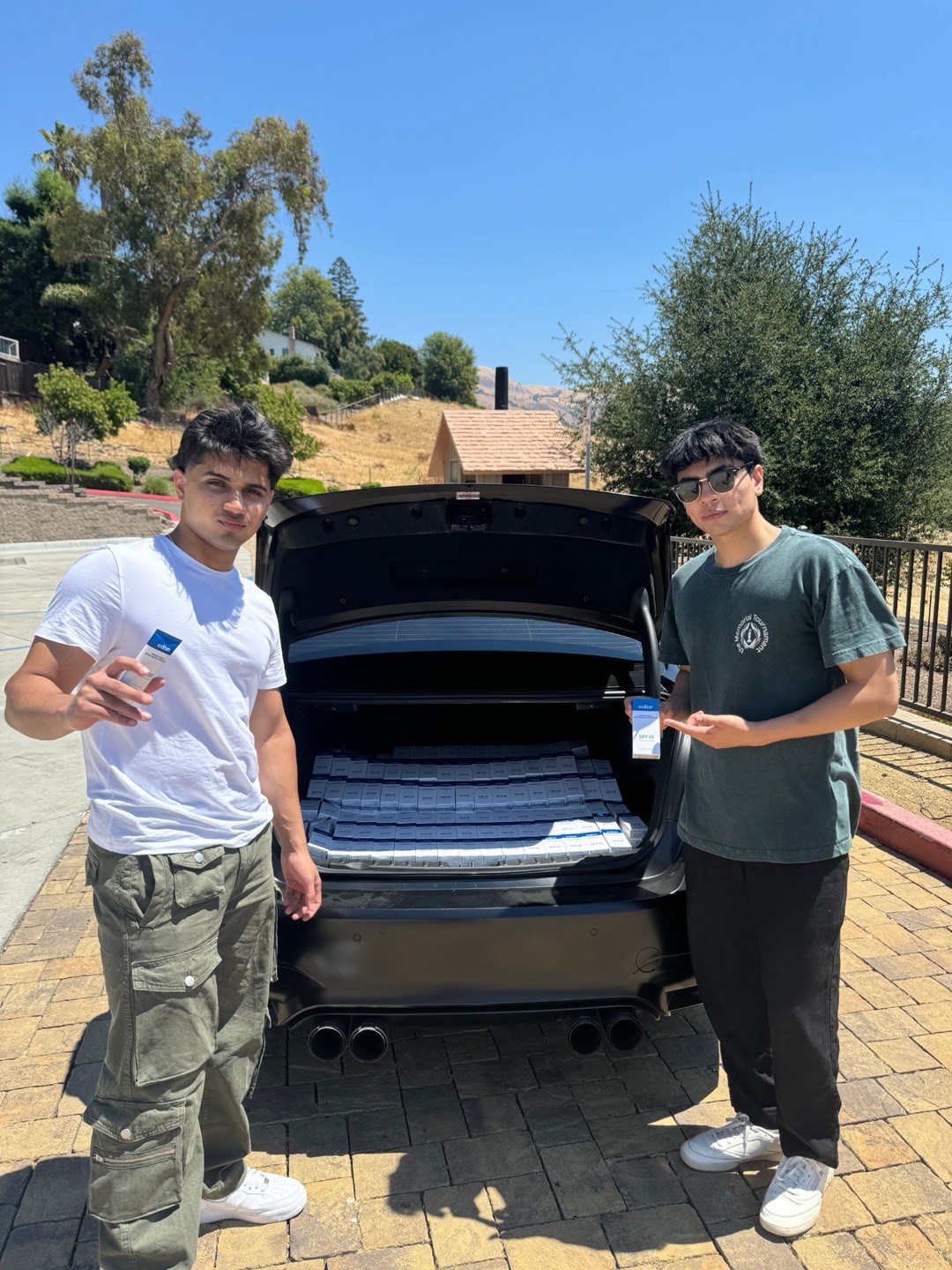
My childhood best friend and I started socléare, a tinted mineral sunscreen, while we were in college. After that first day, we pivoted to TikTok Shop, built a network of 100+ micro-creators, and grew to six figures in revenue.
Now I work in AI, building networks of experts, like lawyers, bankers and engineers, whose work teaches AI models how to do their jobs. Sunscreen and AI have more in common than you'd think.
The formula is the product
Our sunscreen used zinc oxide, which protects well but leaves a white cast. The tint had to cancel it out. Too little and you look ghostly. Too much and you look orange.
AI works the same way. A model is only as good as the examples it learns from. Meta trained a model on just 1,000 great examples, and it held up against models trained on far more. One bad batch can ruin a sunscreen, and sloppy examples can ruin a model.
Specific beats vague
"Lightweight with a natural finish" means nothing to a manufacturer. Our samples only got better when my notes got specific.
Same with AI. "Write a good answer" gets you average results. Spelling out what good looks like, like "did it catch the termination clause?", gets you much better ones.
Shade range matters
A tinted sunscreen has to work on every skin tone. You can't test it on yourself and call it done.
AI is the same. A model trained only on New York contracts will struggle with California law. The rare, tricky cases are where experts matter most.
Real people beat big names
Our growth came from micro-creators who actually wore the sunscreen. Real content sold.
The best AI training examples also come from people who do the work every day. Working with 100+ creators taught me how to work with any network of experts: give a clear brief, trust their judgment, review the work, and treat people well enough that they stay.
Zero is data too
Zero sales told us our plan wasn't working, so we changed it.
When an AI model keeps getting something wrong, it's telling you what it hasn't learned yet. The fix is finding the people who know the answer.
Where it clicked
We partnered with AI skin-analysis apps, so when an app told someone what their skin needed, our sunscreen showed up as the recommendation. It showed me that AI advice is only as good as what it learned from.
A 2022 Stanford study proved it: skin-condition AI models did worse on darker skin, because they hadn't learned from enough images of it. After two years of matching our tint to every skin tone, that hit home.
Sunscreen or AI, it comes down to one question: what are you putting into it?